
Empowering the Cultural and Creative Sectors
Develop Your Talents with Our Cultural eLearning Platform
Your Path to Creative Growth
We believe in the transformative power of culture, art, and creativity to promote inclusion, well-being, and lifelong empowerment.
Achieving this vision requires specific competences that enable artists, educators, and communities to design inclusive, engaging, and meaningful cultural environments.
Through Artistic Minds, partners from Cyprus, Greece, Italy, Spain, and Poland collaborate to design and implement innovative digital and educational tools that strengthen training, creativity, and accessibility within the cultural and creative sectors.
Our mission is to nurture talent, promote social inclusion, and accelerate digital transformation—helping every participant reach their full potential through art and culture.
OUR ELEARNING MODULES
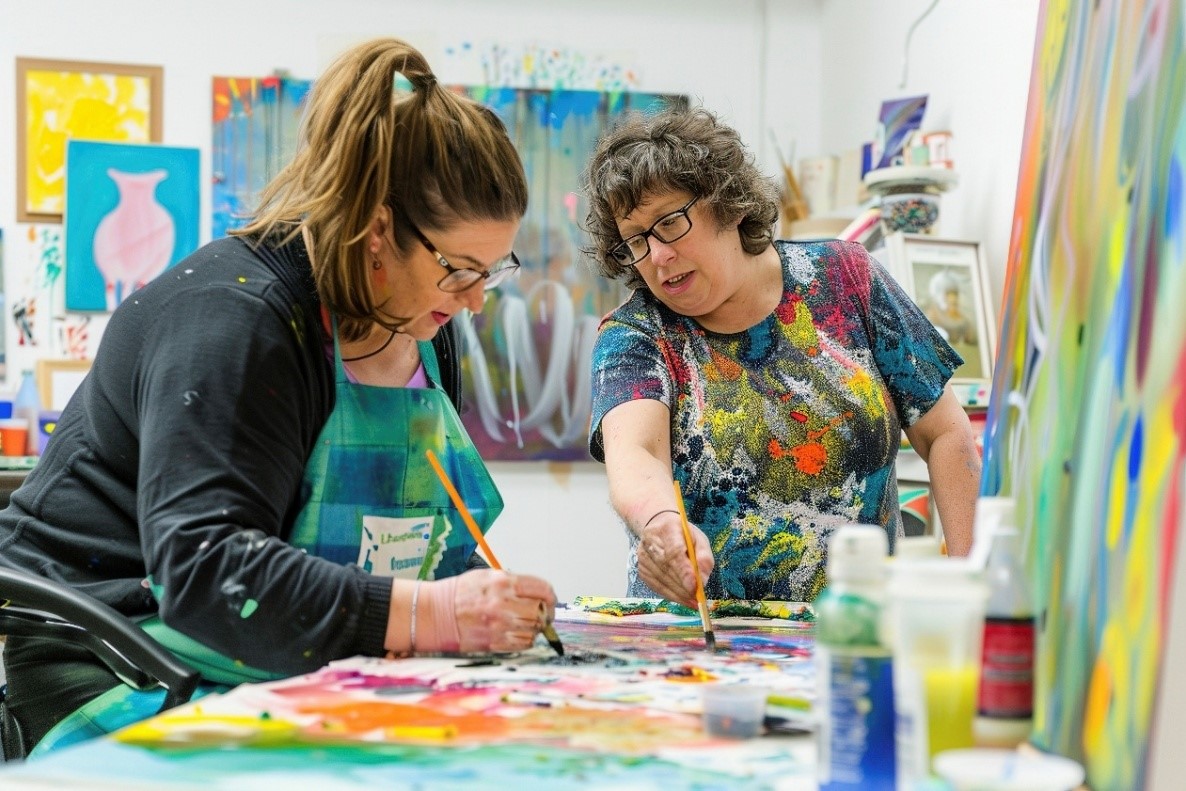
Module 1: Introduction to the Training Programme
This module provides an introduction to the training course developed within the Artistic Minds project and dedicated to both experts in the Artistic and Creative Sector (CCS) and mental health (MH) professionals that support, or will support, young artists with intellectual disability (ID) and/or neurodivergent.

Module 2: Using art & culture to facilitate self-expression and resilience for all
This module explores the transformative potential of arts and culture as vehicles for self-expression and resilience-building among young people with intellectual disabilities (ID) and/or neurodivergent. At the same time, it provides practical guidance for Creative and Culture Sector (CCS) experts and Mental Health (MH) professionals to collaborate effectively in designing and implementing inclusive, accessible arts-based interventions.

MODULE 03: Using art & culture to improve individual well-being for all
This module explores the potential of art and culture to improve people’s mental and physical wellbeing, thereby helping to reduce stress and mental health problems. Art and culture improve individual well-being, such as enhancing brain health via creative expression, reducing stress and anxiety, building self-esteem, building social connections, and providing therapeutic outlets for emotional processing.
MODULE 4: Using digital technologies to improve art and culture
This module explains a practical overview of how digital technologies can be used as accessible and creative tools within cultural and educational settings. It introduces key methods, good practices, and applied examples.
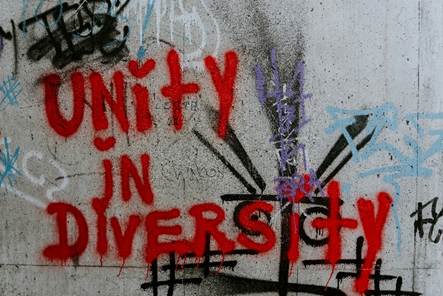
MODULE 5: Valuing Diversity – challenges and opportunities
This chapter introduces the core principles of valuing diversity within the cultural and creative sectors, with a specific focus on working alongside young artists with intellectual disabilities. It provides a comprehensive overview of how inclusion, accessibility, and intercultural awareness contribute to sustainable artistic and professional practices.

MODULE 6: Creative Mentorship – approaches and strategies
Creative mentorship is a powerful tool for fostering inclusive artistic development, especially when working with young people with ID and/or neurodivergent. This module equips the learners with the knowledge and strategies to guide young artists through meaningful creative processes, while supporting their emotional and psychological growth.

MODULE 7: Supporting artists with intellectual disability and/or neurodivergent
This module provides useful knowledge to CCS experts and MH professionals to understand the differences between the specific needs of young neurodivergent artists (e.g., with autism, learning disorders such as dyslexia) and/or with intellectual disability (e.g., due to congenital syndromes such as Down syndrome). It builds on rights-based and neurodiversity-affirming approaches and aims to translate them into concrete facilitation choices.

MODULE 8: Supporting artists with mental health challenges
This module explores how mental health challenges intersect with artistic practice and what this means for young artists with intellectual disability (ID) and/or neurodivergent. It offers CCS experts and MH professionals practical guidance on recognising common mental health difficulties, reducing stigma, and creating supportive, trauma-informed creative environments where artistic potential and emotional well-being can flourish side by side.
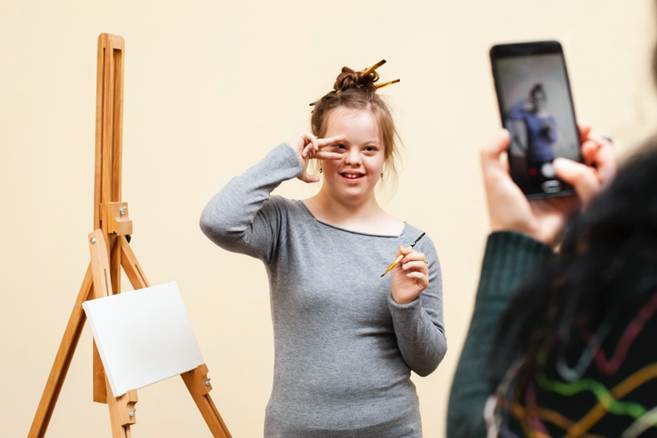
MODULE 9: Area of application of the learned – Art Therapy
This module introduces the foundations, practices, and applications of Art Therapy, with a particular focus on its relevance for people with intellectual disability and neurodivergent profiles. It provides an initial overview that helps the reader understand how theory, methodology, and practical tools are interconnected throughout the chapter.

MODULE 10: Area of application of the learned – Music Therapy
This module introduces music therapy as an inclusive and relational approach that uses musical experience to support communication, emotional expression, and shared participation. It provides an overview of key concepts, methods and rhythm-based strategies that can be adapted for work with young artists with intellectual disabilities or who are neurodivergent. The chapter also offers practical examples and activities that facilitators can apply in group or individual settings to enhance engagement, co-creation, and wellbeing.

MODULE 11: Area of application of the learned – Drama Therapy
This module introduces the theoretical foundations and practical applications of Drama Therapy in educational, social, and therapeutic contexts. Participants will explore how drama-based methods support emotional expression, inclusion, and personal development, with particular attention to work with young artists with intellectual disability (ID) and/or neurodivergence.

MODULE 12: Area of application of the learned – Digital Art and Smart Culture
This module offers an overview of how digital art and smart culture intersect with inclusive creative practices. It introduces the key concepts, opportunities, and challenges that shape the use of emerging technologies in artistic work with young artists with intellectual disabilities and neurodivergent profiles.

MODULE 13: Area of application of the learned – Photo Therapy
This module explores phototherapy as a distinct creative healing practice that uses photography, reflection, and contemplation to support personal growth and emotional well-being. .

MODULE 14: Area of application of the learned – Dance Therapy
Dance therapy integrates movement, emotion, and creative expression as essential tools for promoting wellbeing, communication, and inclusion. This module introduces the fundamental principles of dance/movement therapy (DMT) and explains how embodied practices can support young artists with intellectual disabilities and neurodivergent profiles. It provides a theoretical and practical foundation for professionals who wish to incorporate meaningful, accessible, and inclusive movement-based strategies into their work.

MODULE 15: Accessibility and Design of Artistic and Cultural environments
This concluding module explores fundamental practices and principles for designing accessible and inclusive artistic and cultural environments. It promotes accessibility as a key element in enabling everyone to enjoy the arts. It presents the relevant principles, best practices, and operational strategies to ensure the full participation of people with disabilities in cultural experiences, as both audience members and artists.